Crypto Operational Reserves – Managing Wallet Balances Before You Commit Resources
A practical framework for separating spendable crypto, transaction-fee funds, recovery resources, and long-term holdings before on-chain commitments are made.
A digital asset strategy is often described in terms of allocation: how much capital to place in Bitcoin, stablecoins or other cryptoassets, when to enter the market and when to reduce exposure. Yet an investment or treasury plan also depends on the infrastructure through which money enters, moves within and eventually leaves the digital asset … Read more
The rapid expansion of global digital commerce in 2026 has accelerated the convergence of traditional banking and decentralized blockchain technology. For e-commerce merchants, managing transaction friction, chargeback fraud, and cross-border delays on legacy networks is no longer sustainable. To solve these core payment inefficiencies, forward-thinking online retailers are deploying all-in-one gateways like pay pilot. This … Read more
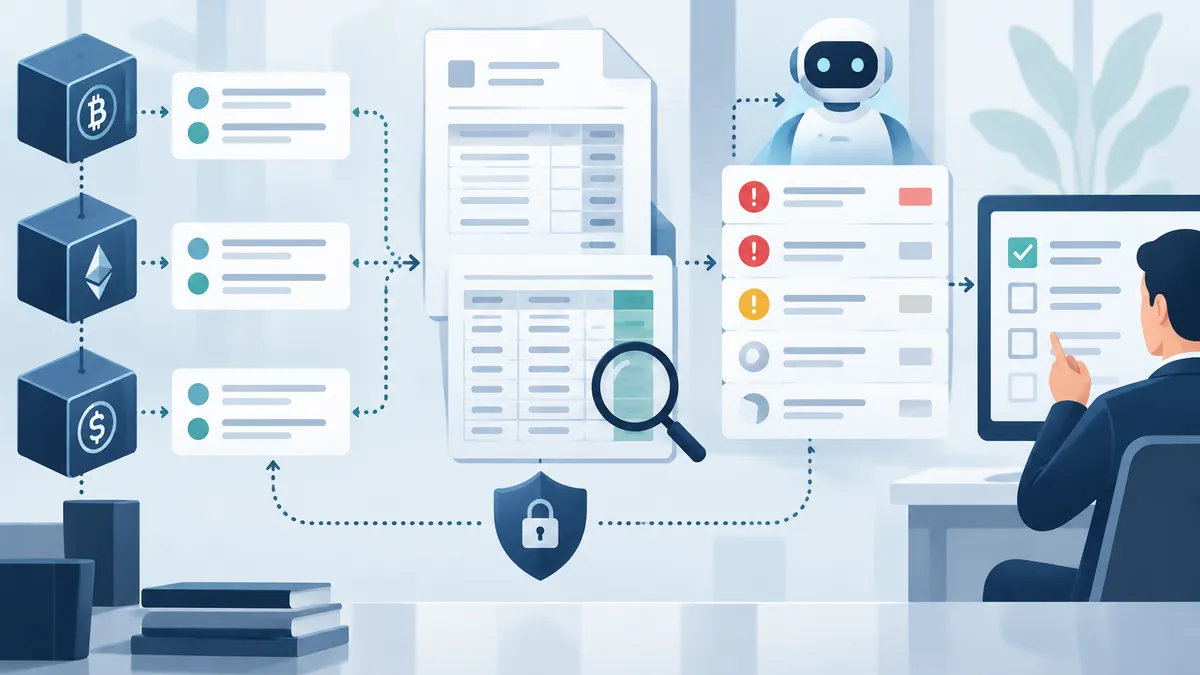
Blockchain businesses rarely struggle because they lack data. Exchanges, payment gateways, token projects, treasury teams, and Web3 startups generate transaction records, wallet movements, revenue figures, provider reports, and operating costs every day. The harder problem is turning those inputs into a clear view of performance. When information remains scattered across spreadsheets and dashboards, even routine … Read more
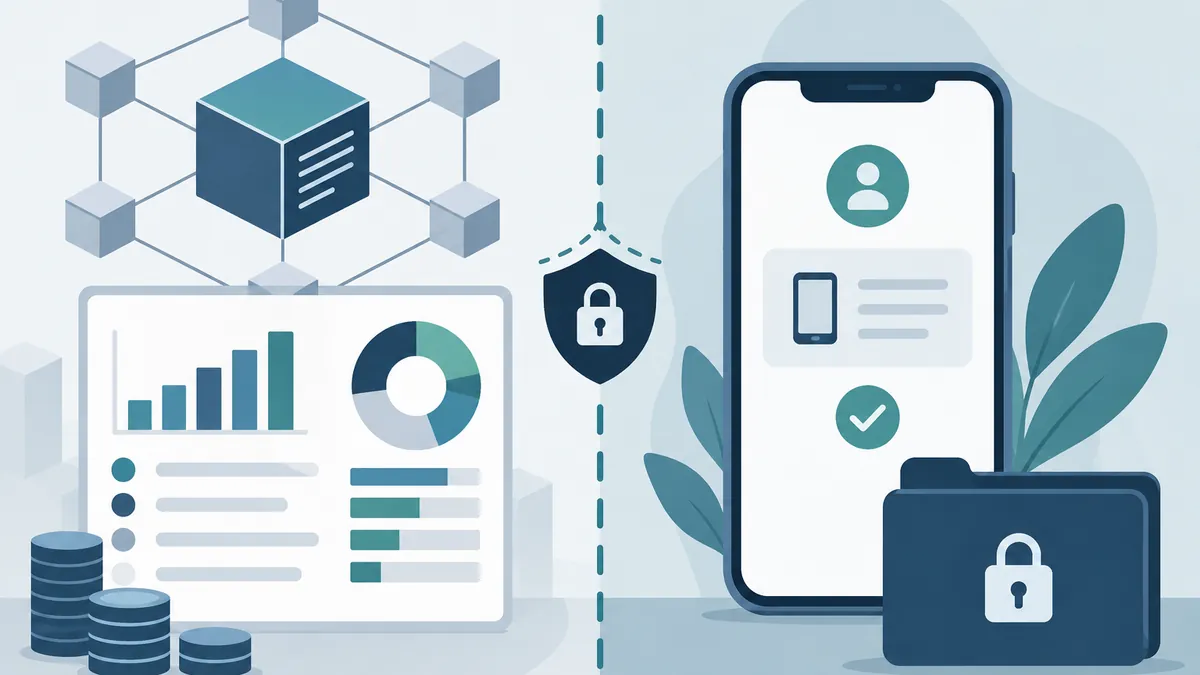
High-value over-the-counter (OTC) digital asset trading represents the liquidity backbone of the modern Web3 ecosystem, but it is also a prime target for institutional-grade cybercriminals. As transaction volumes escalate, securing peer-to-peer settlements requires shifting away from vulnerable legacy interfaces toward highly resilient self-custody systems like the paypilot wallet. By providing hardware-level cryptographic isolation and real-time … Read more
For modern merchant enterprises, integrating digital asset payments is no longer a futuristic concept but a highly strategic necessity to lower overhead and expand customer reach. In 2026, small businesses are rapidly transitioning from traditional payment processors to all-in-one payment platforms like pay pilot to eliminate intermediary transaction fees. Entrepreneurs who master key cryptocurrency tips … Read more
Activate a contingency protocol to ensure seamless transfer of your digital holdings without manual intervention. Implementing a fail-safe device that initiates asset handover upon inactivity detection mitigates risks associated with sudden unavailability. This mechanism employs predefined conditions to release access, securing continuity and preventing permanent loss. Recent case studies reveal that approximately 20% of cryptocurrency … Read more
Allocating fixed sums at consistent intervals to acquire digital assets reduces exposure to market volatility and smooths entry prices. This methodical approach involves making periodic buys, regardless of token valuations, which can mitigate the risk associated with timing unpredictable price swings. Historical data reveals that disciplined commitment to scheduled purchases often outperforms sporadic lump-sum investments … Read more
To prevent identity exposure through transaction analysis, it is critical to implement advanced grouping techniques that separate linked wallet identifiers. Effective clustering methods disrupt the ability of observers to correlate multiple payment points with a single user, thereby enhancing privacy safeguards within decentralized networks. Linking patterns between multiple account nodes reveal behavioral footprints exploitable by … Read more
Facilitating seamless data exchange between diverse software environments ensures uninterrupted workflows and optimizes resource allocation. Leveraging standardized interfaces enables real-time communication among transactional platforms, payment wallets, and backend databases. This approach minimizes latency and reduces manual intervention, directly impacting service reliability and user satisfaction. Modern architectures demand robust linking of core business applications to synchronize … Read more