
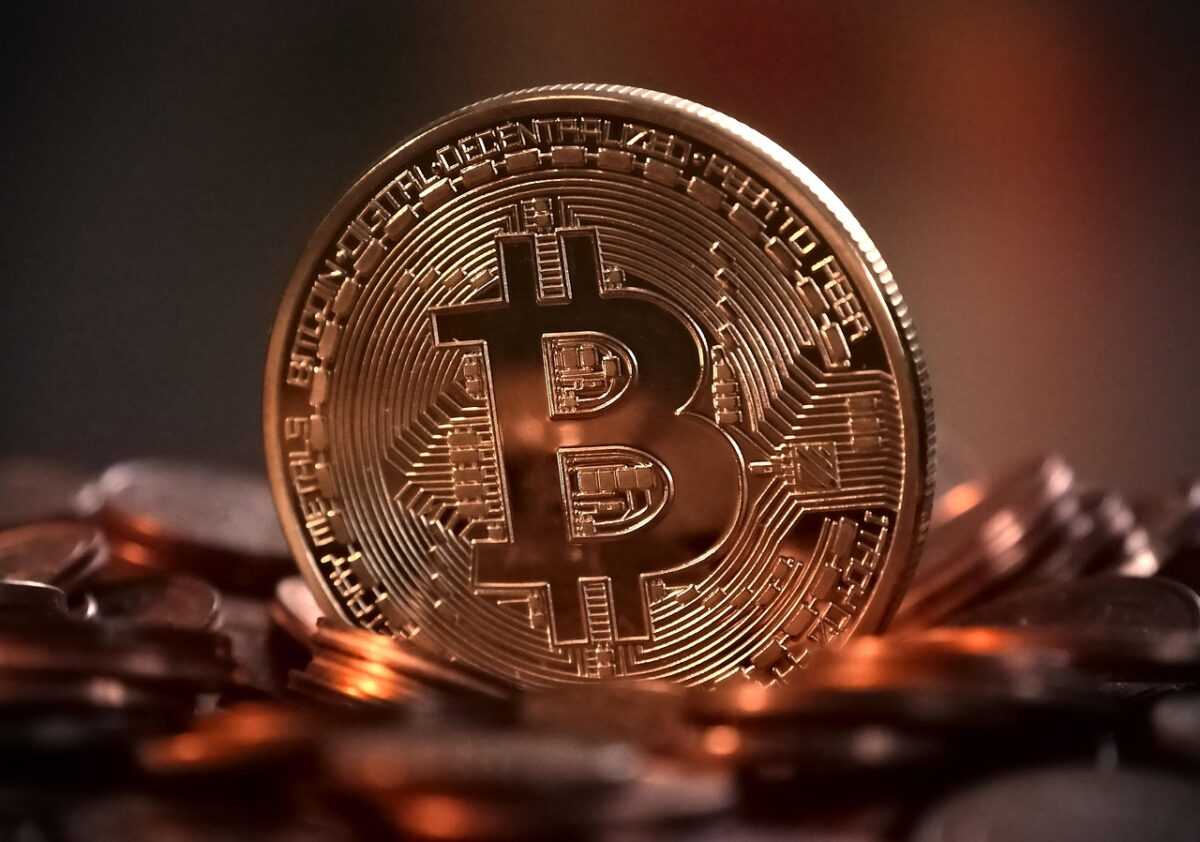
Prioritize holdings like Bitcoin and Ethereum when seeking safe, large-scale tokens with consistent performance records. These leading cryptocurrencies exhibit substantial market capitalization and liquidity, minimizing volatility compared to lesser-known alternatives. Data from 2023 indicates that Bitcoin maintained a dominance rate above 40%, reinforcing its role as a cornerstone within diversified portfolios.
Stablecoins backed by reputable reserves offer an additional layer of security, especially amid regulatory tightening across major economies. Their pegged values and transparent audits contribute to preserving capital during turbulent periods. Institutional adoption trends further validate the resilience of such holdings, with prominent firms allocating significant portions of treasury funds into these options.
Evaluating long-term viability requires scrutiny of network activity metrics, developer engagement, and protocol upgrades. Projects boasting robust ecosystems demonstrate enhanced resistance to market downturns and technological disruptions. Incorporating assets featuring active governance models ensures adaptability aligned with evolving compliance frameworks and user demands.
Blue-chip crypto: established digital asset investments [Investment Strategies]
Prioritize tokens with significant market capitalization and proven network security when allocating capital. Large-scale blockchain projects such as Ethereum and Bitcoin demonstrate consistent transactional throughput, robust decentralization, and extensive developer ecosystems that contribute to long-term value preservation. These characteristics align closely with conservative portfolio components designed for risk mitigation and stability.
Maintaining exposure to coins with substantial liquidity enhances exit flexibility, reducing slippage during sizable trades. Statistical analysis of on-chain metrics reveals that assets surpassing $100 billion in market cap often exhibit lower volatility relative to smaller counterparts. This correlation supports their inclusion as foundational holdings within portfolios seeking reliable returns without excessive fluctuations.
Strategic Diversification within Major Tokens
Implement allocation models that balance dominant protocols with complementary layer-2 solutions or interoperable chains. For instance, pairing Ethereum’s mainnet ETH with Polygon’s MATIC token can capture scaling innovations while preserving exposure to the primary settlement layer. Such diversification reduces dependency on a single network’s performance and exploits scalability trends improving transaction efficiency.
Furthermore, stablecoin integration into portfolios offers a hedge against market downturns. Assets like USDC and USDT provide price stability through fiat-pegged collateralization mechanisms verified via transparent audits. Incorporating these instruments enables tactical liquidity management and supports rebalancing strategies aligned with shifting market conditions.
- Focus on project maturity: Prioritize protocols operating for multiple years with consistent protocol upgrades.
- Analyze developer activity: High commit rates in public repositories indicate ongoing enhancement and community engagement.
- Examine governance frameworks: Decentralized decision-making structures contribute to adaptive resilience against external pressures.
A comparative examination of Bitcoin versus newer tokens highlights the trade-off between pioneering status and innovation potential. While BTC remains the most widely recognized store of value due to its capped supply and widespread acceptance, alternative networks offer programmability features enabling decentralized finance (DeFi) applications that attract broader utility-driven demand.
Regulatory clarity continues to shape institutional participation levels in these heavyweight cryptocurrencies. Recent approvals of exchange-traded products backed by major tokens have increased accessibility for traditional investors seeking low-risk exposure routes through regulated channels. Monitoring evolving compliance standards is essential for anticipating shifts in capital inflows impacting price dynamics and liquidity profiles.
Identifying blue-chip cryptocurrencies
The primary indicator of a reliable, large-scale token lies in its consistent market capitalization and liquidity. Coins with substantial daily trading volumes and robust order books tend to offer stability against volatility that plagues smaller counterparts. For instance, Bitcoin and Ethereum maintain dominance through sustained network activity and widespread adoption, which reinforce their roles as safe havens in volatile environments.
Technological maturity is another critical factor. Protocols with proven security records, extensive developer communities, and transparent governance mechanisms demonstrate resilience. Ethereum’s transition to proof-of-stake via the Merge showcases adaptability while reducing energy consumption–an essential metric increasingly considered by institutional participants seeking sustainable options.
Key criteria for evaluation
Assessing prominent tokens requires multi-dimensional analysis:
- Market depth: Tokens exhibiting high capitalization coupled with deep liquidity pools minimize slippage risks during large transactions.
- Network security: Blockchains validated by numerous nodes and subjected to rigorous audits provide fortified defense against attacks.
- Ecosystem robustness: Platforms supporting diverse decentralized applications (dApps) and partnerships indicate ongoing utility expansion.
- Regulatory compliance: Entities actively engaging with regulatory frameworks reduce exposure to legal uncertainties that can affect value retention.
A comparative example involves Cardano, recognized for its research-driven development approach and peer-reviewed upgrades, contrasting with newer projects lacking comprehensive testing or community consensus protocols. This distinction often translates into varying risk profiles despite similar market valuations at times.
The introduction of layer-2 scaling solutions on Ethereum illustrates how scalability improvements enhance transactional throughput without sacrificing decentralization principles. Such technical progress fosters confidence among stakeholders prioritizing long-term viability over short-lived speculation. Meanwhile, stablecoins anchored by fiat reserves add an additional layer of predictability within portfolios but require scrutiny regarding reserve transparency and redemption mechanisms.
Future-oriented investors should monitor shifts in consensus algorithms, interoperability advancements, and cross-chain integrations that contribute to systemic robustness. Analytical models incorporating on-chain data analytics alongside macroeconomic indicators can improve forecasting accuracy for these predominant coins’ trajectory. Ultimately, identifying tokens capable of preserving value amid evolving market dynamics demands rigorous examination beyond surface-level popularity metrics.
Risk Management in Crypto Portfolios
Prioritizing diversification within a portfolio remains one of the most effective strategies to mitigate volatility associated with large-scale token holdings. Allocating capital across well-established and stable tokens with proven liquidity profiles reduces exposure to abrupt market swings. For instance, incorporating assets such as Bitcoin or Ethereum, which have demonstrated consistent market capitalization and adoption, can provide a buffer against sudden downturns observed in lesser-known coins. Empirical data from the past five years show that portfolios balancing these core holdings with smaller altcoins typically experience lower drawdowns during bearish phases.
Implementing position sizing protocols based on volatility metrics and correlation coefficients enhances portfolio resilience. By adjusting the weight of each holding according to its historical price fluctuations and covariance with other tokens, investors can construct more balanced risk exposures. Quantitative models utilizing Value at Risk (VaR) and Conditional VaR further assist in defining maximum acceptable losses under varying confidence intervals. A case study involving a diversified basket including Ethereum, Binance Coin, and USD-pegged stablecoins revealed a 30% reduction in downside risk compared to an undiversified allocation.
Technical Approaches to Enhance Safety
Employing cold storage solutions for long-term holdings significantly minimizes counterparty risk stemming from exchange insolvencies or cyberattacks. Hardware wallets compliant with stringent security standards offer safe custody options without sacrificing accessibility for routine portfolio rebalancing. Additionally, automated smart contract-based protocols enable programmed stop-loss orders and dynamic reallocation mechanisms that react swiftly to predefined market thresholds. Such automation was evidenced in decentralized finance platforms where algorithmic triggers prevented large-scale liquidation events during high volatility episodes in early 2022.
Monitoring regulatory developments is increasingly critical as jurisdictions introduce frameworks impacting token classification and trading practices. Compliance-driven adjustments may affect liquidity and transaction costs, influencing portfolio stability. Forward-looking investors integrate legal risk assessments alongside technical analysis tools to anticipate shifts that could impair asset fungibility or custodial arrangements. Incorporating stablecoins pegged to fiat currencies serves as a tactical hedge against systemic shocks while maintaining capital efficiency within diversified portfolios.
Long-term holding tactics
Securing positions in well-recognized tokens with proven market resilience is fundamental for steady portfolio growth. Prioritizing coins with robust network effects, substantial liquidity, and consistent adoption metrics minimizes exposure to volatility. For instance, selecting instruments backed by substantial developer activity and institutional usage provides a more predictable trajectory compared to emerging alternatives.
Maintaining holdings over extended periods necessitates disciplined risk management frameworks. Allocating capital predominantly into stable monetary units alongside leading cryptographic currencies reduces susceptibility to abrupt drawdowns. Historical data from the past decade indicates that portfolios weighted towards such entities exhibit lower standard deviations and superior Sharpe ratios relative to speculative counterparts.
Technical strategies for retention
Implementing systematic dollar-cost averaging (DCA) during accumulation phases enhances cost basis optimization. This method smooths entry points across market cycles, mitigating the impact of price spikes or corrections on average purchase price. Case studies highlight how investors employing DCA in prominent cryptocurrencies have achieved higher internal rates of return by avoiding lump-sum timing errors.
Cold storage solutions remain paramount for safeguarding long-term holdings against cybersecurity threats. Utilizing hardware wallets or multi-signature custodial arrangements significantly diminishes risks associated with hacking incidents frequently reported in custodial platforms. The Cambridge Centre for Alternative Finance reports a marked decline in theft occurrences when assets are held offline under rigorous access protocols.
- Diversification within top-tier tokens balances growth potential with downside protection.
- Rebalancing intervals should align with market volatility metrics rather than fixed calendar dates.
- Monitoring regulatory developments enables proactive adjustments ahead of policy shifts impacting asset liquidity or legality.
The influence of macroeconomic trends on retainment strategies cannot be overlooked. Inflationary pressures and monetary policy tightening often drive increased interest toward decentralized protocols offering inflation-resistant characteristics. Comparative analysis reveals that assets with capped supply mechanisms tend to outperform those with continuous issuance during contractionary fiscal environments.
A long-range perspective also requires consideration of interoperability upgrades and scalability enhancements within protocol ecosystems. Projects undergoing phased implementation of layer-two solutions or consensus algorithm improvements present compelling cases for sustained holding due to anticipated transaction efficiency gains and reduced network fees, which historically correlate with user base expansion and valuation appreciation.
Integrating Premium Digital Holdings into Investment Frameworks
Prioritize inclusion of well-vetted, large-scale tokens within portfolios to enhance security and long-term reliability. Allocating a substantial portion–typically 40-60%–to these stable holdings mitigates volatility risks inherent to emerging market segments while preserving upside potential.
Empirical data from recent quarters reveals that dominant network protocols with high transaction throughput and proven decentralization maintain superior liquidity and lower drawdown rates during market contractions. This stability stems from robust consensus mechanisms and widespread adoption, making them indispensable for risk-adjusted portfolio construction.
Strategic Insights and Future Outlook
- Technological Maturity: Leading tokens operate on advanced blockchain infrastructures featuring scalable layer-1 or layer-2 solutions, enabling seamless integration into DeFi protocols and cross-chain interoperability frameworks.
- Regulatory Alignment: Assets with transparent governance models and compliance-oriented roadmaps reduce exposure to jurisdictional uncertainties, increasing institutional accessibility.
- Liquidity Depth: High daily volumes across multiple exchanges ensure efficient entry and exit points, minimizing slippage even for sizable allocations.
Forward-looking strategies should incorporate dynamic rebalancing tied to on-chain metrics such as staking participation rates, active developer counts, and network health indicators. Incorporation of algorithmic triggers responding to macroeconomic shifts can further optimize exposure to these premier holdings.
The comparative robustness in these parameters underscores why integrating dominant coins is not merely defensive but a sophisticated approach toward sustainable growth. As regulatory frameworks crystallize worldwide, assets demonstrating operational resilience alongside clear legal positioning will capture increasing capital inflows from institutional actors.
This convergence of technical solidity, governance clarity, and market depth positions these holdings as pivotal components within holistic portfolios designed for both preservation and appreciation amid evolving ecosystem dynamics.