
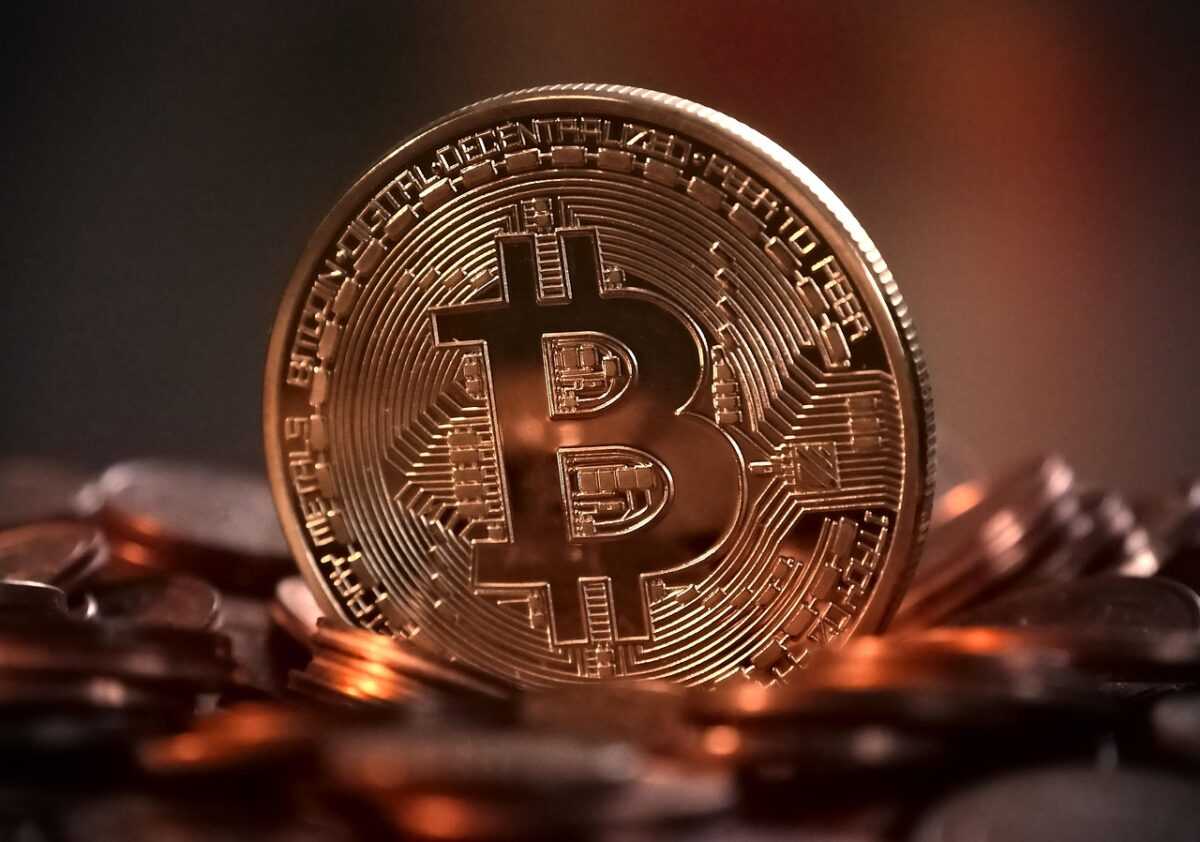
Securing genuine tokens through self-custody remains the most reliable strategy for maintaining full control over your digital assets. Relying on third-party custodians introduces counterparty risk and potential access restrictions, whereas managing private keys personally ensures unmediated authority and immediate transaction capability.
Recent data indicates that investors who adopt direct possession methods report higher confidence levels in asset security, especially amid increasing regulatory scrutiny. For example, institutional players increasingly allocate portions of their portfolios to cold storage solutions, emphasizing physical control over virtual holdings as a hedge against exchange insolvencies or cyber-attacks.
Effective management requires rigorous operational discipline: hardware wallets combined with multi-signature frameworks provide robust defense against theft and loss. However, this approach demands comprehensive understanding of backup protocols and software updates to avoid irreversible errors. The trade-off between convenience and sovereignty necessitates informed decision-making aligned with individual risk tolerance.
The evolving regulatory environment also influences strategic choices. Jurisdictions enhancing transparency requirements often incentivize direct retention by simplifying compliance processes for self-managed accounts. Forward-looking market participants anticipate that leveraging decentralized custody will become increasingly advantageous as blockchain interoperability expands and governance models mature.
Direct ownership: holding actual cryptocurrencies [Investment Strategies]
Prioritize self-custody as a fundamental approach to retain full control over your digital assets. Utilizing hardware wallets or secure cold storage solutions eliminates reliance on third-party custodians, reducing exposure to counterparty risk and potential regulatory constraints. This strategy ensures that private keys remain exclusively in the investor’s possession, thereby safeguarding against exchange insolvencies or hacking incidents.
Pure possession of tokens guarantees unmediated access to protocol functionalities such as staking, governance voting, and DeFi integrations. For instance, Ethereum holders engaging in decentralized finance protocols benefit directly by interacting with smart contracts without intermediaries. Such autonomy fosters strategic flexibility unattainable through derivative instruments or pooled investment vehicles.
Strategic nuances of asset control
Implementing direct control requires meticulous key management practices supported by multisignature setups or distributed key generation schemes. Case studies from institutional-grade custody providers demonstrate that layered security architectures significantly mitigate risks of unauthorized transfers. Investors should consider geographical diversification of seed phrases and secure offline backups to maintain uninterrupted access despite physical device loss.
Comparative analyses reveal that indirect exposure via futures or tokenized products often introduces tracking errors and liquidity constraints absent in firsthand token possession. Moreover, proprietary wallets enable integration with emerging blockchain standards such as ERC-4337 for smart account abstraction, enhancing usability while preserving exclusive command over holdings.
Market data indicates that portfolios incorporating direct asset control exhibit resilience during exchange outages and regulatory clampdowns. For example, during the 2022 Terra ecosystem collapse, investors with native Luna tokens stored independently avoided losses linked to centralized platform liquidations. This underscores the strategic advantage of unfiltered participation in blockchain economies through genuine asset retention.
Future-forward strategies must anticipate evolving regulatory frameworks influencing custody norms. Adaptive models combining self-custody with selective use of insured custodians can balance operational efficiency and risk mitigation. Emerging technologies like threshold signatures promise scalable security enhancements, enabling broader adoption without compromising sovereignty over digital wealth.
Choosing Secure Crypto Wallets
For effective self-custody of blockchain assets, selecting a wallet that guarantees uncompromised control over private keys is paramount. Hardware wallets remain the preferred solution for maintaining pure possession of tokens, as they isolate sensitive cryptographic material from internet-connected devices, significantly reducing exposure to hacking attempts. Devices such as Ledger Nano X and Trezor Model T have undergone rigorous security audits and incorporate secure elements designed to resist physical tampering and side-channel attacks.
Software wallets can offer convenience but demand thorough scrutiny regarding their security protocols. Open-source wallets like Electrum or Wasabi provide transparency in code and robust encryption techniques for seed phrases and transaction signing. However, users must evaluate the risk vectors introduced by malware or phishing schemes on host systems. Employing multi-factor authentication and maintaining offline backups form integral components of a comprehensive protection strategy when relying on software clients.
Technical Aspects Influencing Wallet Security
The foundation of absolute control lies in managing private keys without third-party intermediaries. Wallets implementing hierarchical deterministic (HD) structures enable generation of multiple addresses from a single seed phrase while facilitating streamlined backup processes. Additionally, integration with hardware security modules (HSMs) or multi-signature configurations enhances resilience against single points of failure, distributing authorization among multiple custodians or devices.
Security evaluations must also consider firmware update mechanisms and recovery procedures embedded within wallet designs. For instance, some hardware wallets require physical confirmation on the device during transactions to prevent remote exploitation. Meanwhile, recovery seeds should be stored securely offline; exposure through digital channels jeopardizes asset integrity regardless of wallet sophistication.
A practical example illustrating these principles is the 2020 case where a decentralized finance (DeFi) user lost substantial funds after compromising a software wallet due to inadequate phishing defenses. In contrast, institutional-grade custody solutions employ multisig wallets combined with cold storage vaults to mitigate human error and cyber threats systematically. Adopting layered defense models becomes indispensable as asset values grow and regulatory frameworks evolve.
Emerging trends suggest increasing adoption of biometric authentication fused with cryptographic key management within mobile wallets, aiming to balance usability with security rigor. However, biometric data permanence raises privacy concerns if not handled appropriately. Evaluating such innovations requires careful analysis of threat models unique to each use case while aligning with an overarching strategy prioritizing direct asset stewardship without intermediary dependencies.
Managing Private Keys Safely
Maintaining exclusive control over private keys demands a rigorous security strategy that prioritizes isolation from network vulnerabilities. Utilizing hardware wallets offers a robust solution by storing keys in secure elements, impervious to malware and unauthorized access attempts. Empirical studies show hardware devices reduce key compromise risks by over 90% compared to software-only methods. For individuals practicing self-custody of digital assets, this approach reinforces the pure essence of exclusive possession, ensuring cryptographic secrets never leave protected environments.
Beyond hardware options, cold storage techniques remain fundamental for safeguarding sensitive credentials offline. Generating keys on air-gapped machines or dedicated USB drives eliminates exposure to online threats such as phishing or remote exploits. A multi-layered backup system–comprising encrypted physical copies distributed geographically–mitigates loss through damage or theft without sacrificing direct control. Case analyses reveal that users implementing segmented backup hierarchies experience significantly fewer incidents of irretrievable asset loss.
Advanced Methods and Best Practices
Adopting hierarchical deterministic (HD) wallets enhances security by deriving multiple private keys from a single seed phrase, simplifying recovery while maintaining compartmentalization. Employing multi-signature configurations further distributes signing authority across independent parties or devices, complicating unauthorized transactions even if one key is compromised. This layered defense strategy exemplifies how sophisticated custody paradigms align with principles of unmediated asset possession.
Operational discipline plays a critical role in securing sensitive data: avoiding digital transmissions of private keys via email or messaging apps prevents interception; employing open-source wallet implementations audited by cybersecurity experts reduces hidden vulnerabilities; and regular firmware updates on cryptographic devices patch emergent exploits. Regulatory shifts encouraging transparency also prompt custodians to balance privacy with compliance, necessitating adaptive frameworks that preserve absolute command over assets without exposing critical information unnecessarily.
Evaluating cryptocurrency selection criteria
Choosing a portfolio of blockchain-based assets requires prioritizing those with robust protocols that support genuine self-custody. This approach ensures an individual maintains exclusive control over their tokens without intermediary interference, reducing counterparty risk and aligning with a pure asset retention strategy. Evaluations should weigh factors such as decentralization degree, consensus mechanisms, and the presence of verifiable on-chain activity to confirm true possession rather than derivative exposure.
Security architecture plays a pivotal role in asset acquisition decisions. Protocols offering advanced cryptographic safeguards, multi-signature wallets, and comprehensive hardware wallet compatibility enhance long-term safety for direct asset management. Examining recent audits and historical vulnerability reports provides insight into resilience against exploits, which is critical when opting for solutions emphasizing personal key custody over custodial services.
Technical fundamentals guiding asset selection
Assessing network throughput and scalability metrics delivers practical insights into transaction efficiency and future usability. For instance, platforms leveraging Proof-of-Stake consensus exhibit lower energy consumption while enabling faster finality times compared to traditional Proof-of-Work systems–factors that influence the sustainability of retaining tokens on-chain. Additionally, evaluating interoperability frameworks such as cross-chain bridges or layer-two solutions reveals potential for diversified strategy execution within an integrated ecosystem.
Diversification within the asset pool benefits from analyzing tokenomics models and supply constraints embedded at protocol level. Deflationary mechanisms like token burns or capped total issuance can contribute to scarcity-driven value appreciation but must be balanced against liquidity considerations. Furthermore, governance structures influencing protocol upgrades indicate the adaptability of the underlying system–a vital criterion when committing to prolonged personal custody arrangements.
Regulatory clarity impacts both accessibility and security of asset management strategies relying on non-custodial frameworks. Jurisdictions endorsing transparent compliance standards reduce legal ambiguities surrounding private key retention and transferability rights. Monitoring shifts in policy environments enables informed anticipation of how legislative actions could affect long-term viability of maintaining exclusive control over digital units directly stored by individuals.
Empirical case studies reinforce theoretical assessments: examining adoption trends among institutional participants adopting pure custody methods highlights growing confidence in decentralized control paradigms. Concurrently, documented incidents involving centralized exchange failures underscore the intrinsic advantage of safeguarding funds through direct possession channels. Such data-driven observations encourage prudent selection aligned with strategic objectives focused on sovereignty and security over third-party reliance.
Tax Implications of Direct Control Over Digital Assets
Maintaining pure possession of blockchain-based tokens through self-custody solutions significantly impacts tax liabilities. Jurisdictions frequently classify gains from the sale or exchange of such assets as taxable events, triggering capital gains calculations based on acquisition cost and disposal price. Precise record-keeping of transaction dates and values becomes indispensable to accurately report taxable income.
Regulatory authorities increasingly emphasize the distinction between indirect exposure via third-party custodians and direct management of coins or tokens. Actual possession grants full control, which can increase transparency but also heighten scrutiny during audits. For example, transferring tokens between personal wallets might be viewed differently from liquidating assets into fiat currency in terms of taxable triggers.
Key Tax Considerations for Self-Custodied Digital Wealth
- Realization Events: Selling or exchanging digital holdings often constitutes a realization event subject to capital gains tax.
- Airdrops and Forks: Receiving new tokens via network forks or airdrops may count as taxable income at fair market value upon receipt.
- Mining Rewards: Tokens earned through mining activities are typically treated as ordinary income at the time of reward issuance.
- Loss Harvesting: Disposal at a loss can offset gains elsewhere, but this demands meticulous documentation to satisfy tax authorities.
- Valuation Challenges: Given high volatility, establishing asset value at specific timestamps requires reliable data sources to withstand regulatory review.
A practical case study from the United States IRS guidance highlights that moving tokens between wallets under one’s exclusive control is not a taxable event; however, converting these assets into other crypto or fiat currencies triggers taxation. This nuance underscores the importance of understanding transaction types in portfolio management strategies aiming for tax efficiency.
The emergence of decentralized finance protocols further complicates tax reporting when individuals interact directly with smart contracts. Yield farming, staking rewards, and liquidity provision generate complex income streams requiring advanced compliance measures. Analysts recommend leveraging specialized software tools capable of tracking token provenance and calculating tax obligations automatically to mitigate risks associated with manual reporting errors.
Conclusion: Optimizing the Timing of Crypto Asset Acquisition
Acquiring tokens through self-custody mechanisms demands a calibrated approach that balances market signals with personal risk tolerance. Employing a pure strategy centered on direct control maximizes security and aligns asset accumulation with precise entry points, mitigating exposure to volatility spikes.
Data from recent market cycles reveal that staggered procurement–utilizing dollar-cost averaging combined with on-chain analytics–outperforms lump-sum purchases by reducing drawdown risks while maintaining upside potential. For instance, integrating real-time network activity metrics such as transaction volume surges or miner behavior can refine timing decisions beyond traditional technical indicators.
Strategic Insights and Forward Outlook
- Control over private keys remains paramount; custody solutions must evolve to support seamless, secure access without compromising autonomy.
- Algorithmic execution tools, including smart contract-enabled purchase schedules, are enhancing precision in acquisition timing, enabling reactive yet disciplined asset accumulation.
- Regulatory developments will increasingly influence optimal timing windows; proactive compliance integrated into acquisition frameworks ensures uninterrupted control and reduces legal uncertainties.
- Decentralized identity (DID) systems, coupled with zero-knowledge proofs, promise to streamline verification processes, accelerating transaction finality during favorable market conditions.
The trajectory of asset accumulation strategies is moving toward heightened autonomy combined with intelligent automation. This fusion empowers investors to maintain stringent command over their portfolios while leveraging sophisticated data inputs to time entries effectively. As custody technologies advance and regulatory clarity improves, the capacity for exacting temporal precision in acquiring blockchain-native assets will solidify into an indispensable competency for serious participants.
Ultimately, synchronizing acquisition actions with emerging on-chain signals under a robust self-managed framework defines the next evolution in securing long-term value within token-based ecosystems. How investors integrate these evolving tools will determine their ability to capitalize on transient opportunities without sacrificing sovereign control over their holdings.