
Non-fungible tokens – unique digital assets

a gold and silver trophy

NFTs represent a paradigm shift in the ownership and exchange of one-of-a-kind collectibles. Unlike interchangeable cryptocurrencies, these cryptographically secured identifiers confer exclusive rights to specific pieces of art, music, or virtual items. Market data from 2023 indicates that NFT sales exceeded $25 billion globally, underscoring a robust appetite for verifiable scarcity in virtual environments. The … Read more


Antifragility strategies – benefiting from crypto volatility

Capitalizing on market turbulence requires adopting mechanisms that thrive amid chaos rather than merely surviving disorder. In cryptocurrency environments, where price oscillations can exceed 10% daily, positioning portfolios to extract growth from fluctuations offers a distinct advantage over passive holdings. Techniques such as dynamic rebalancing and volatility harvesting convert erratic swings into incremental gains, turning … Read more

Reentrancy attacks – recursive smart contract exploitation

a gold bit coin sitting on top of a white table

Mitigating vulnerabilities caused by multiple entry points into code execution is paramount for securing decentralized applications. This particular flaw allows malicious actors to repeatedly invoke functions before prior executions complete, leading to unauthorized asset transfers and data corruption. Security audits must prioritize detection of such recursive invocation weaknesses to prevent substantial financial losses. This flaw … Read more

Myth busting – crypto misconceptions explained

scrabble tiles spelling the word crypt on a wooden surface

Dispelling false beliefs requires focusing on verified facts and presenting the unvarnished truth. Recent studies reveal that over 60% of respondents misunderstand blockchain’s role beyond cryptocurrencies, confusing decentralized ledger technology with mere speculative assets. Clarification is necessary to separate misinformation from operational reality, especially as regulatory frameworks evolve globally. The prevalent notion that all digital … Read more

Portfolio diversification – balancing crypto risk effectively

a padlock attached to a padlock on a cell phone

Allocating no more than 5-10% of total holdings to blockchain-based tokens mitigates exposure to volatility while preserving upside potential. Incorporating a mix of traditional equities, fixed income, and tangible commodities alongside digital currencies reduces susceptibility to sector-specific shocks and regulatory upheavals. A strategic distribution among various asset classes, including emerging decentralized finance protocols and established … Read more

Financial operations – crypto business accounting

graphical user interface, application

Accurate reporting requires integrating blockchain transaction data with traditional bookkeeping systems to track revenue and expenses transparently. Companies dealing with digital assets must reconcile volatile token valuations while ensuring compliance with evolving tax regulations. Failure to standardize these processes risks misstating profit margins and triggering audits. Recording inflows and outflows demands granular categorization of income … Read more

Treasury management – organizational crypto operations

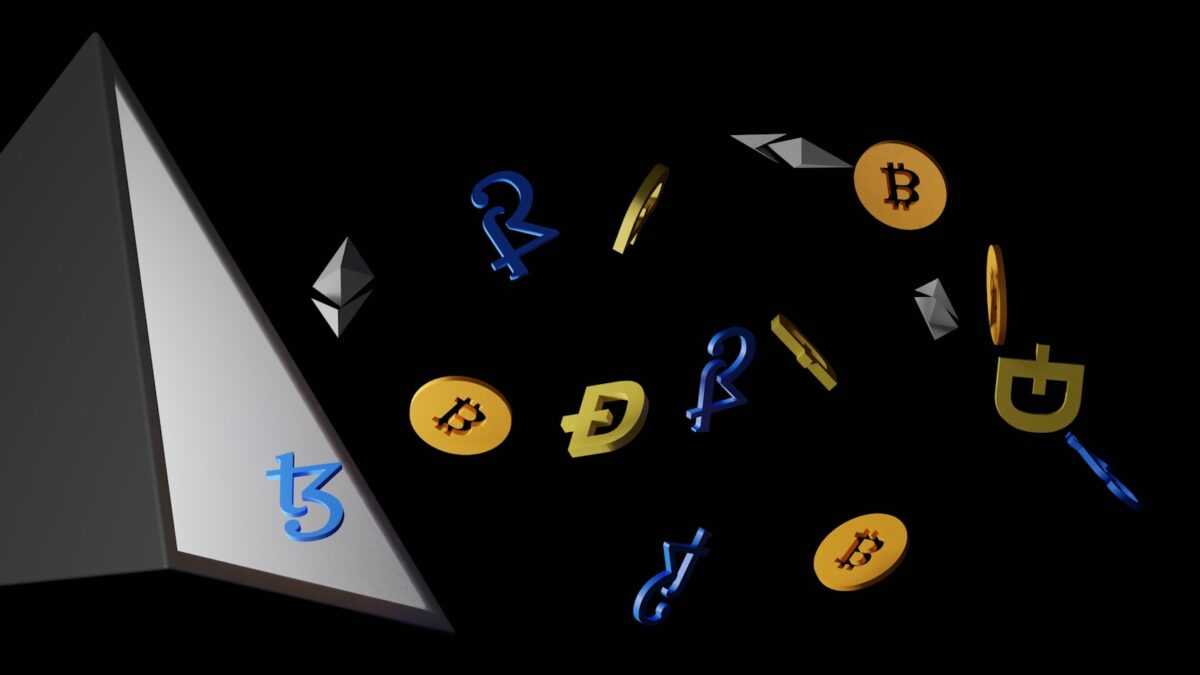
a pyramid with some bitcoins coming out of it

Maximizing liquidity while mitigating volatility requires a disciplined framework for handling digital asset reserves within corporate finance departments. Establishing clear protocols for the custody, transfer, and reporting of blockchain-based holdings enhances transparency and aligns with broader fiscal governance objectives. A diversified portfolio combining stablecoins and selective tokens can optimize yield without exposing the balance sheet … Read more

Mining pool selection – choosing optimal groups

Bitcoin

Miners aiming for maximum profitability should prioritize pools with the lowest fees combined with consistent uptime and strong payout histories. Fees directly reduce net rewards, so groups charging below 1% typically outperform those with higher commissions, especially during extended operation periods. Reliability remains paramount; a stable connection to a well-maintained cluster ensures uninterrupted work submission … Read more

Mechanism design – blockchain protocol economics

blue and red line illustration

The alignment of incentive structures within decentralized networks requires a sophisticated application of economic theory to ensure participant behavior remains compatible with system goals. Auction-based models have demonstrated remarkable success in optimizing resource allocation, particularly through the implementation of sealed-bid and ascending auctions that mitigate strategic manipulation while enhancing efficiency. Empirical data from recent network … Read more